The First Steps After Storm Damage
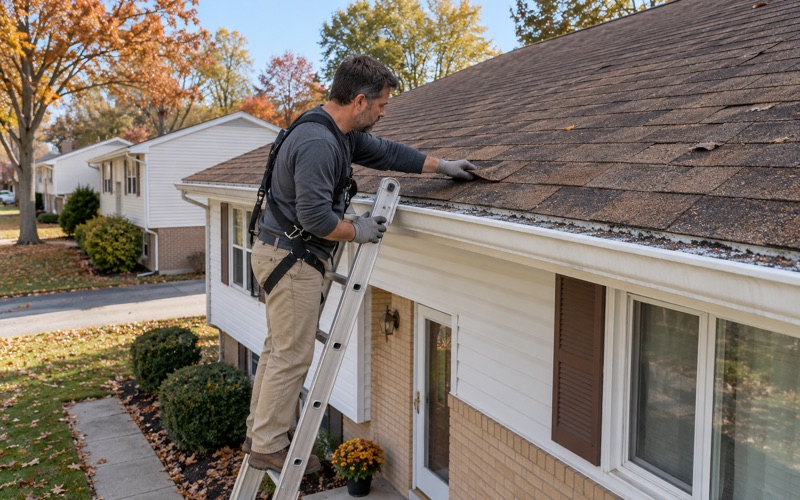
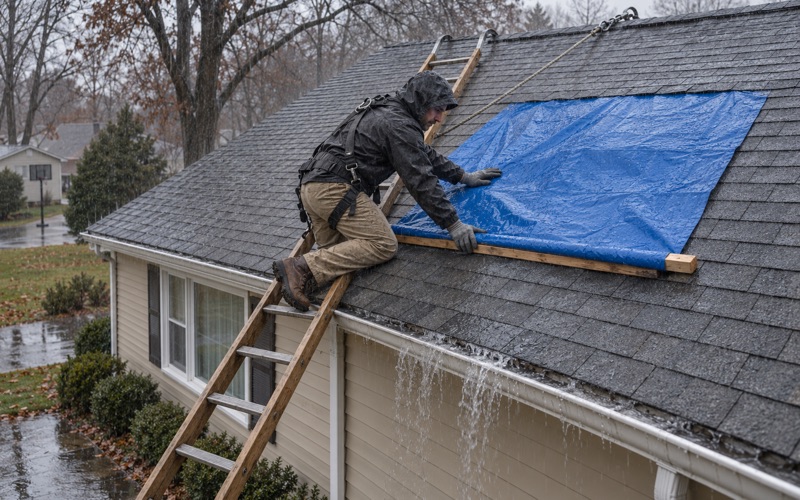
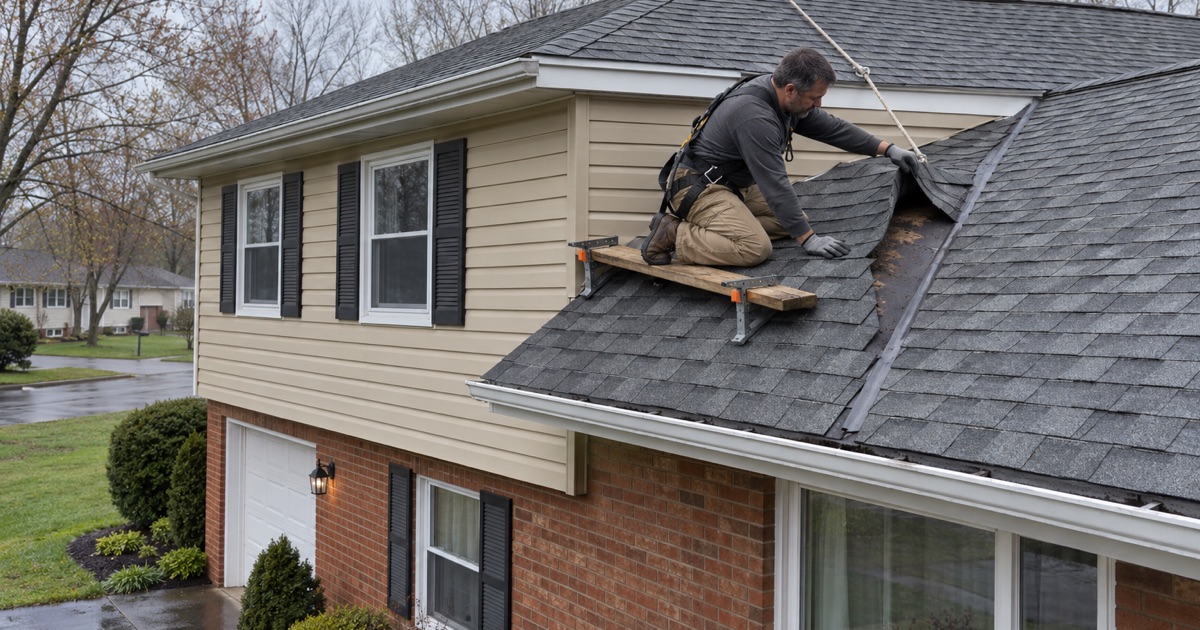
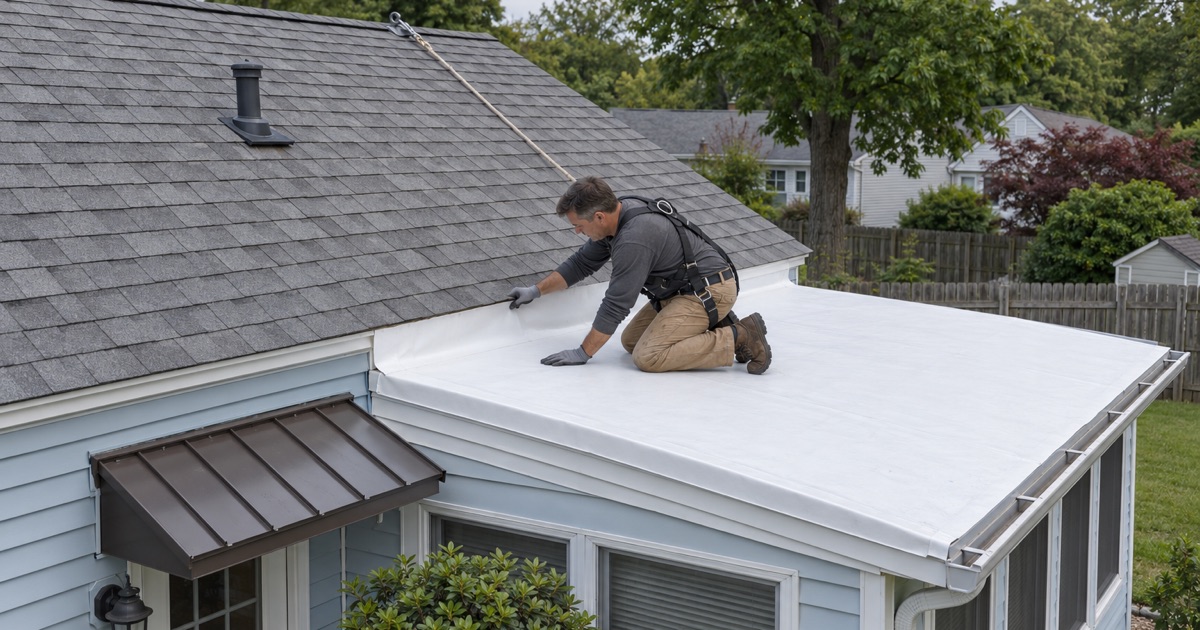
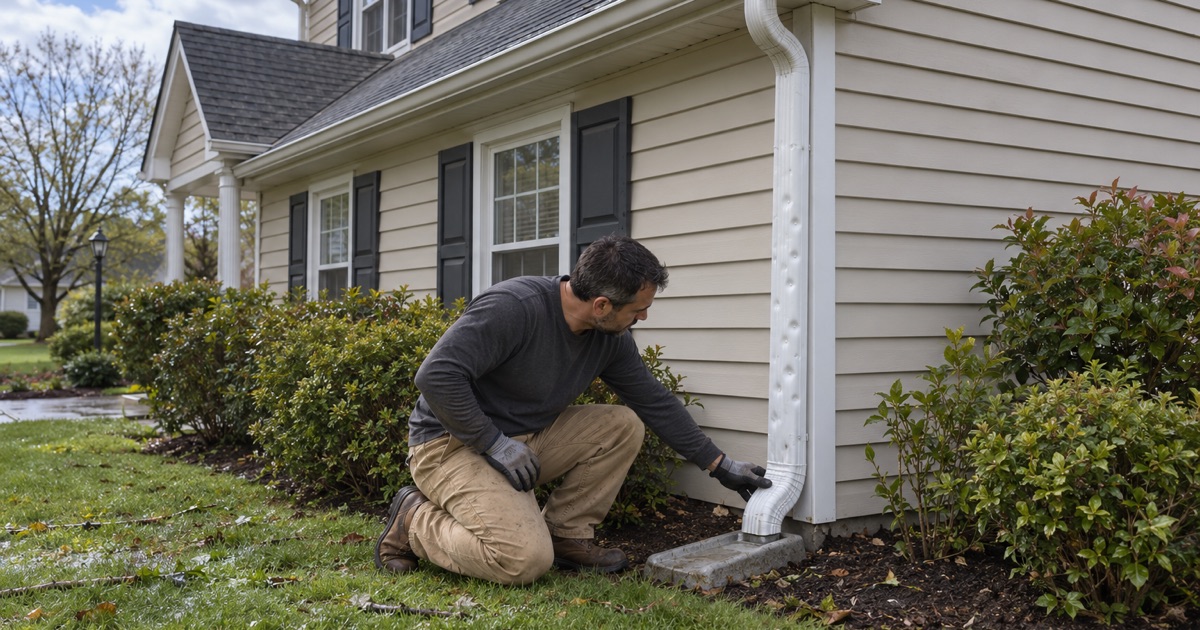
Start by photographing damage from the ground and inside the house, with dates visible, before anything is moved. Make only temporary repairs needed to stop more water, and keep every receipt for tarps or emergency work. We photograph and write up the damage for your own claim, which gives the adjuster a clear record of what the storm did.
How a Roof Claim Works in New Jersey
A homeowners roof claim begins with notice to your insurer, followed by an adjuster’s inspection and a written estimate of covered damage. New Jersey’s Department of Banking and Insurance publishes storm claim guidance for homeowners. When you ask, our crew meets the adjuster on site so the damage we documented is seen firsthand rather than described over the phone.
Wear and Tear Versus Storm Damage
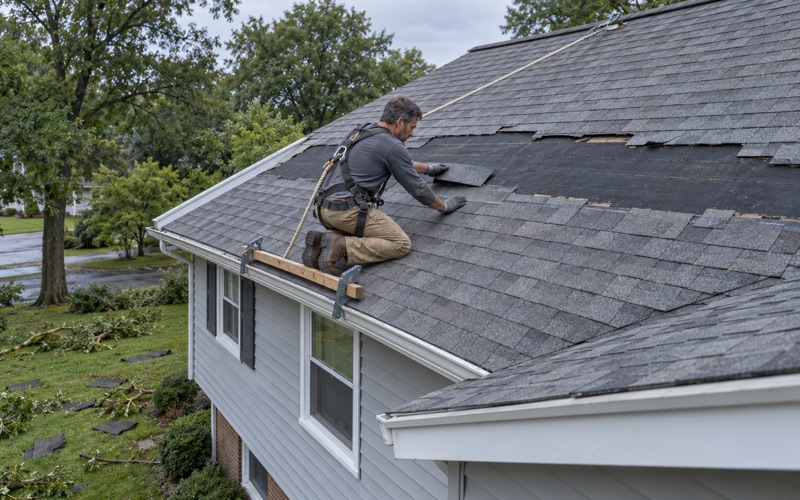
Insurers pay for sudden damage, not for a roof wearing out. Creased or missing shingles with fresh, clean edges point to wind, while uniform granule loss and curling point to age. Claims are often denied because the damage reads as wear, so our write-up separates what the storm caused from what was already there.
When the Hurricane Deductible Applies
New Jersey’s uniform policy language triggers a hurricane deductible only for a hurricane named by the National Weather Service, with hurricane-force sustained winds measured in the state, as DOBI Bulletin 11-16 explains. Sandy did not qualify, because the weather service had reclassified it before landfall. Ordinary windstorms and thunderstorms fall under the regular deductible on your policy.
Public Adjusters and Who May Negotiate Your Claim
New Jersey’s Public Adjusters’ Licensing Act allows only a licensed public adjuster to negotiate a claim on a homeowner’s behalf. A roofer may document damage and meet the adjuster, but should not promise to handle or negotiate your claim. We stay on the roofing side of that line and point you toward the state’s guidance on hiring an adjuster.
Sales Tax on a New Roof Versus a Repair
New Jersey taxes a roof repair as a service, while a full replacement counts as a capital improvement that is exempt when the homeowner signs Form ST-8. Our quotes show the tax the way the state treats each job. That keeps a repair estimate and a replacement estimate comparable on their real totals.
What Moves the Price of a Replacement
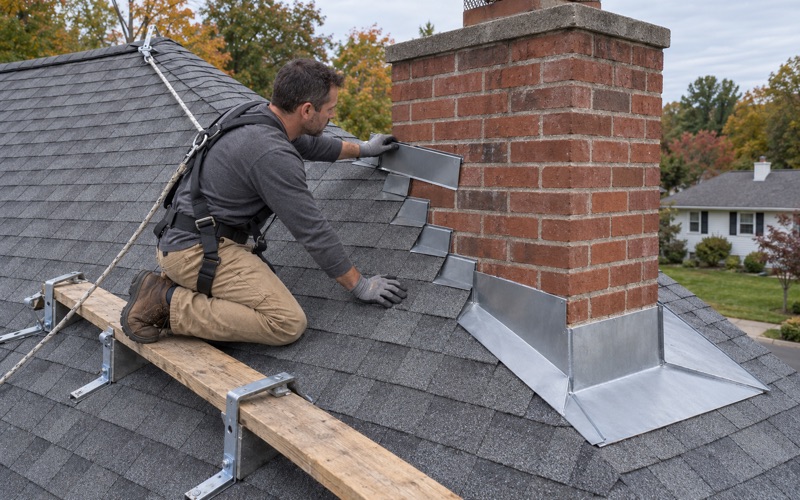
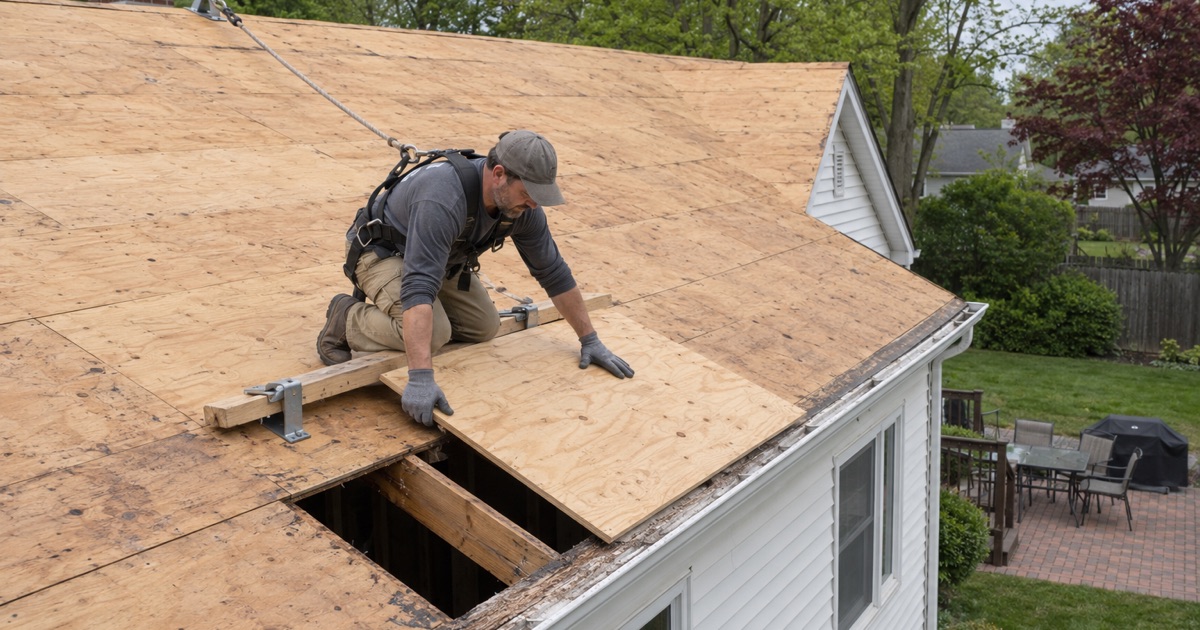
A roof replacement price depends on size, pitch, the number of layers to remove, how much decking fails, flashing and chimney work, ventilation changes and the shingle line chosen. Steep roofs and complex valleys take longer and require more safety setup. Because our scope lists each of those as its own line, you can see exactly what is driving your number.
Insurance and a 20-Year-Old Roof
Many insurers look harder at older roofs, and some policies settle roof claims at actual cash value rather than replacement cost as a roof ages. Whether a 20-year-old roof is covered depends on your policy wording, not on age alone. Read the roof section of your declarations page, and ask your agent before a storm rather than after one.
Do Roof Warranties Cover Storm Damage?
Shingle warranties cover manufacturing defects, and wind coverage is limited to a stated speed and installation method. Hail, falling trees and other storm damage usually belong to your homeowners policy, not the manufacturer. We explain which document covers what, so a storm claim goes to the right party the first time.
The 25 Percent Rule Comes From Florida
The often-repeated rule that damage to a quarter of a roof forces a full replacement comes from the Florida Building Code, not New Jersey. New Jersey once used a 25 percent limit to define ordinary repair, and dropped it in 2018. Our estimates state the current rule rather than repeating a number that does not apply here.
Roofing License or Registration in New Jersey
New Jersey has no separate roofing license. Contractors who work on homes register under the Contractors’ Business Registration Act as home improvement contractors, with insurance requirements attached. Ask any roofer for that registration and a current certificate of insurance before signing, and check that the contract includes the three-business-day cancellation notice.
If a Roofer Falls on Your Property
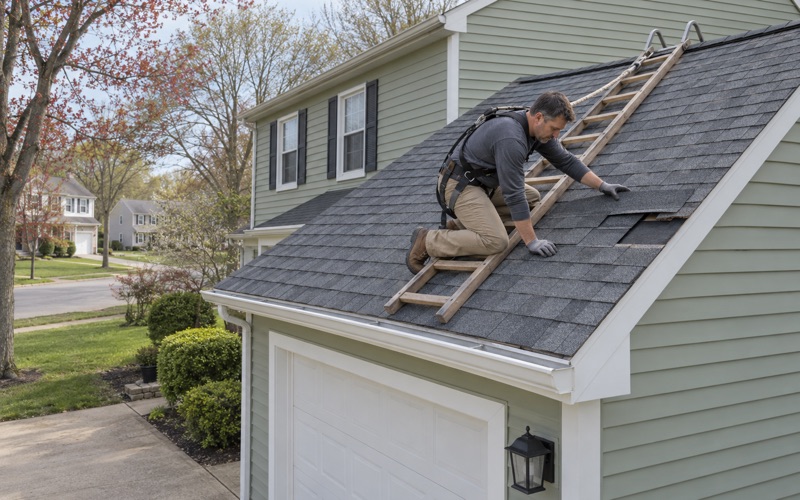
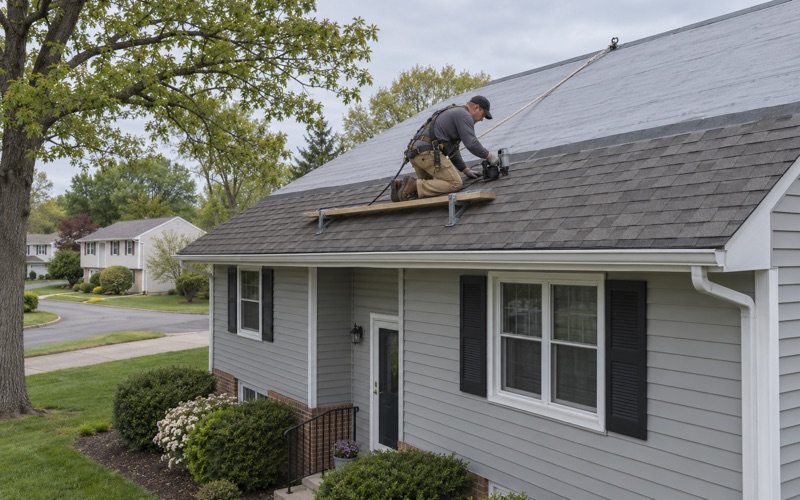
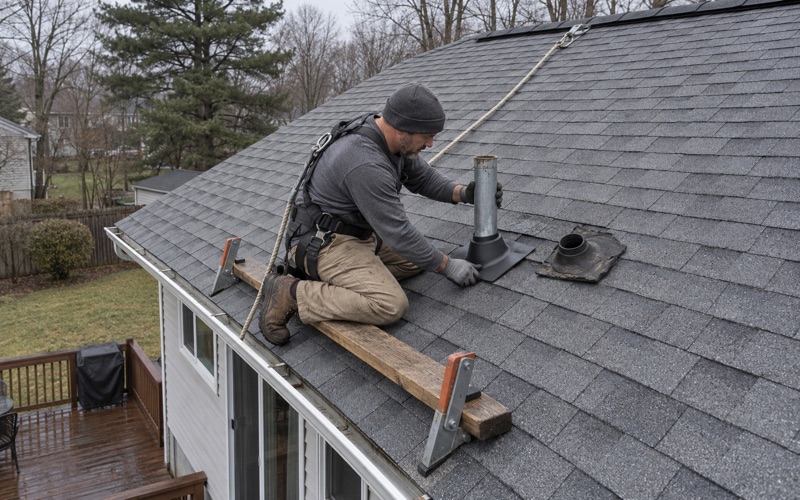
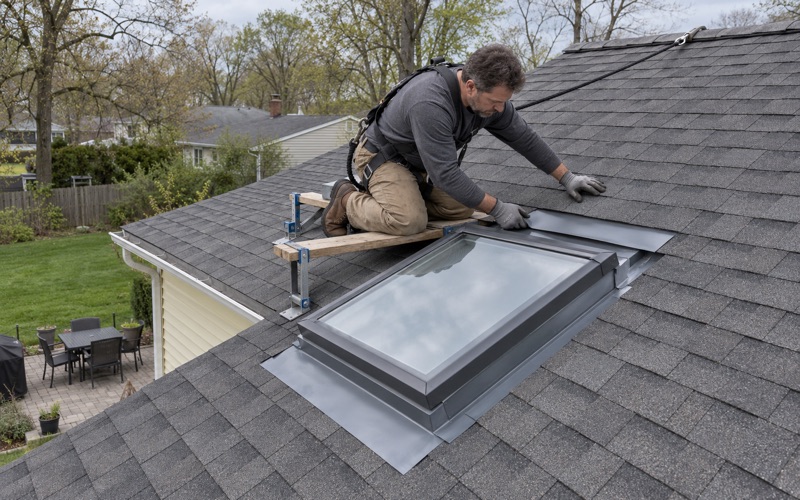
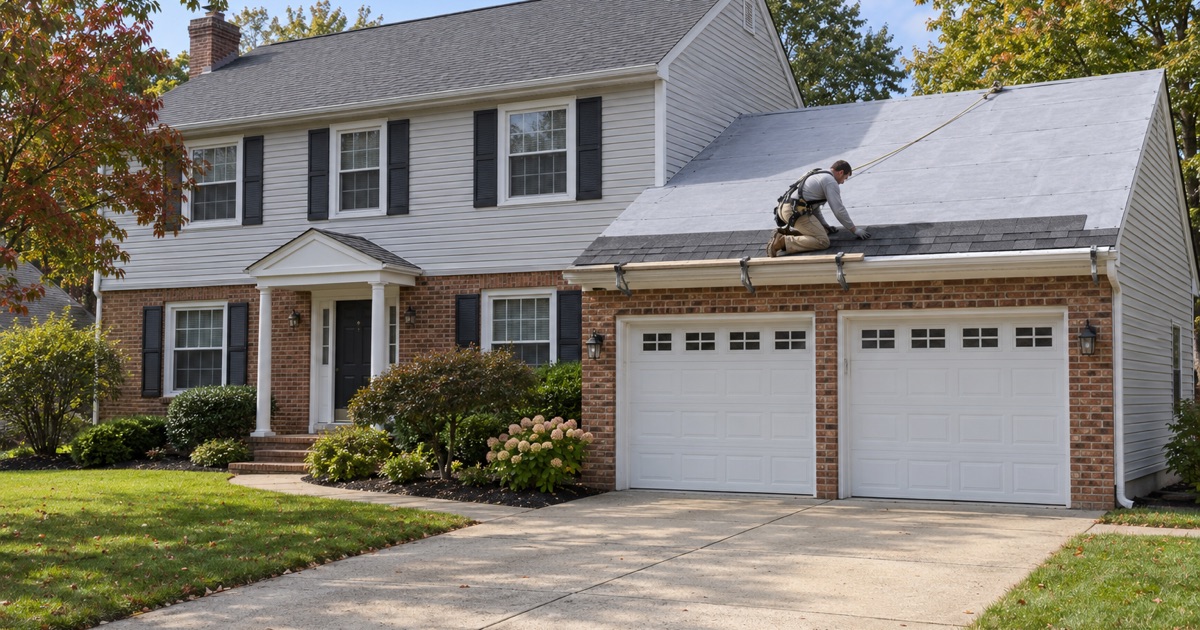
Home improvement contractors in New Jersey must carry commercial liability insurance, and recent amendments added workers’ compensation requirements unless a contractor is exempt. OSHA also requires fall protection at six feet for residential roofing. Asking for current certificates before work begins is the simplest protection a homeowner has against an injury claim on their property.